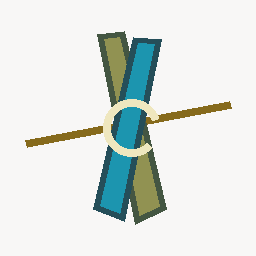
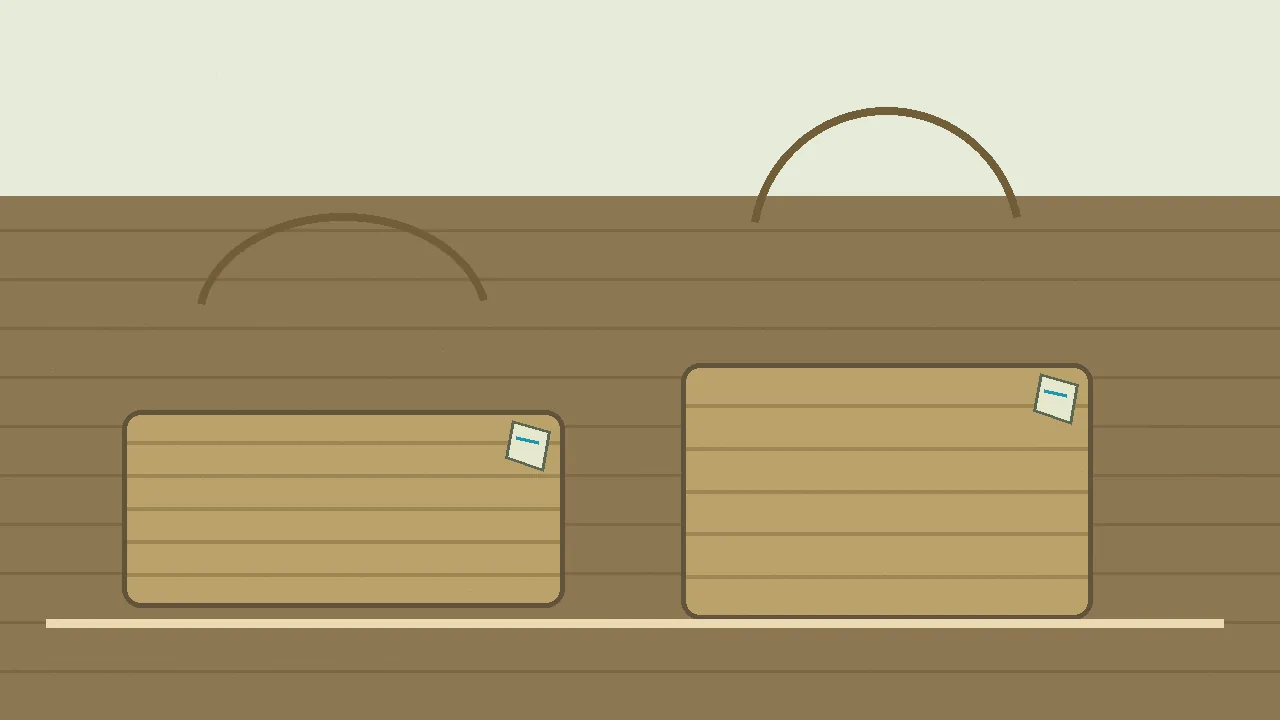
Two baskets sit under the same drying line. The keeper can set one beside the sorting table and leave another close to the covered rack. Both are useful places when the yard is quiet. When the clothes move away from the first rail, the nearest basket can suddenly be the one that belongs to another return order. A reader needs to know more about the objects than which one happens to sit closest to the shirt.
We designed this revision by looking at two parts of A Line Before the Rain. The first view begins with two baskets at separate ends of the yard. The next begins after a rain move with the larger basket beside the original position of the smaller one. The player can inspect the return marks before making another choice. The visible proof needs to survive the difference in position.
Use each basket for a distinct route
One basket is mostly used for the handover to the return table. It is shallow enough that the front tag is easy to see. The second can hold a wider load and has a high loop on the handle. A distinct physical shape gives the player a way to recognize them before reading any words. The two tags also identify the orders they hold and should remain readable when the shapes appear close together.
A test drawing showed one tag on the left side in every view because that was the easiest place to read it. When we turned the camera the label appeared to move between baskets. We draw each tag where it meets its handle in the wide view, then repeat the same relationship in the close view. The text can sit beside the frame when it needs more room.
Follow the handover without counting positions
You can play a short turn where the first basket stays near the covered rack and the second goes forward. The return table then shows the two tags next to the folded pieces. A useful exhibit lets a reader compare the record without relying on which item appears on the left. We put a plain line between the basket shape and the tag, then show the next stand in a separate drawing. You can see which mark remains even if the next basket arrives from the opposite side.
Another variation leaves one space on the rail occupied while the basket crosses the yard. A keeper may put down the folded bundle for a turn. Our plan is to retain both the bundle’s mark and the available area on the table. The player can resume the return without having to put everything back on its previous hook.
Ask a similar question about a small tray
In The Button in the Pocket, two return records are visible while the coats can change places. The shallow tray has a corner that can stay still as the two labels appear in different views. Matching a small item requires a visible link to the earlier location, even though that item never travels with the current load. The two basket choices use their shapes differently. They both take items to the return table, but the record needs to distinguish the purpose of each.
The basket shelves keep separate entry points for those decisions. If you are testing a new illustration, start with the high handle and the shallow lip, then look for the label you can follow. If both baskets look like the same item in the wide drawing, use the physical outline to separate them before giving the tags more contrast. A reader can then tell what changed when the baskets take each other’s earlier places. The exact colour of a line can make the view clearer, but each basket needs a reason to be recognizable after you leave that particular picture.